Funded by the European Union. Views and opinions expressed are however those of the author(s) only and do not necessarily reflect those of the European Union or the European Education and Culture Executive Agency (EACEA). Neither the European Union nor EACEA can be held responsible for them.

On-site workshops to identify current needs and ethical challenges inherent in the use of AI in higher education

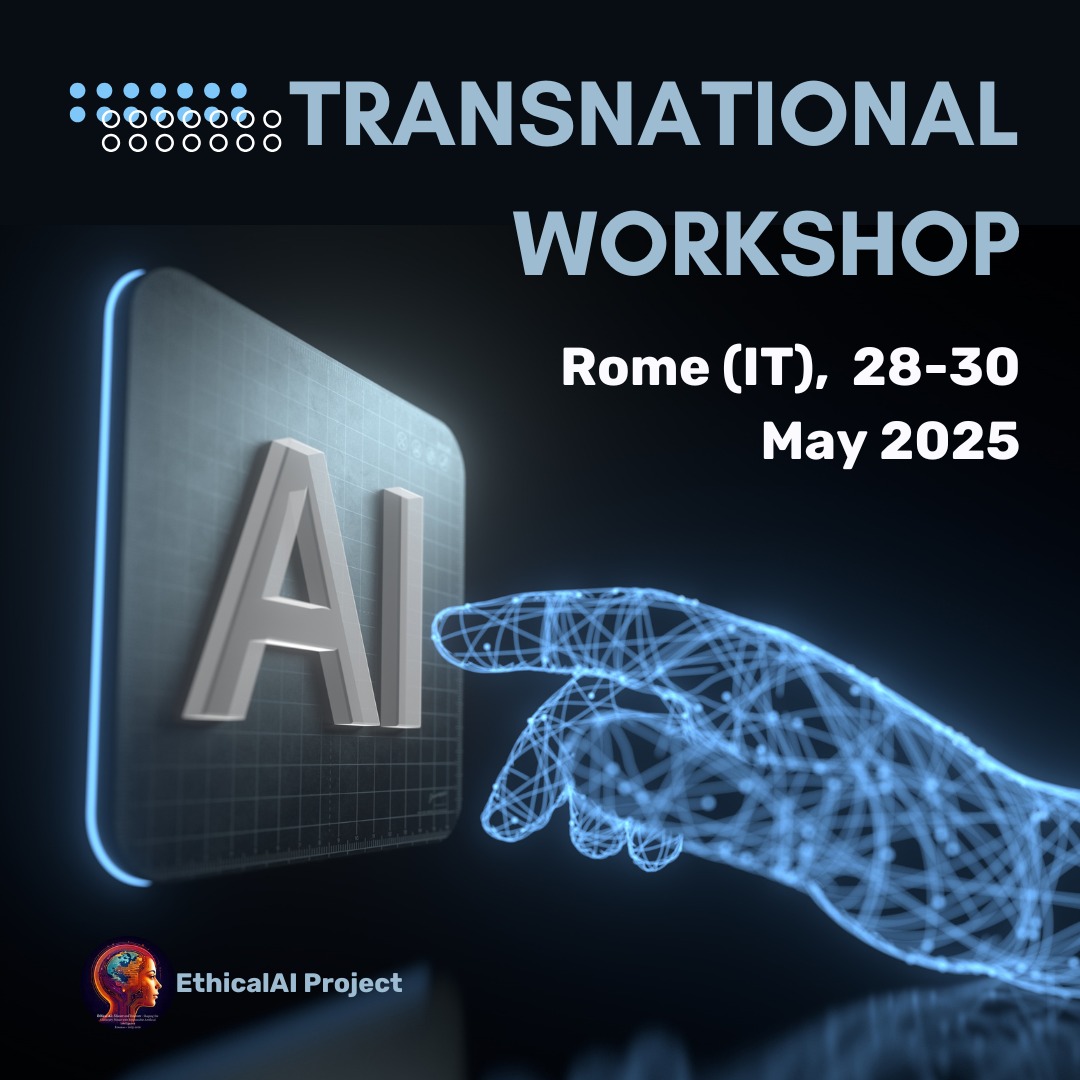
TRANSNATIONAL WORKSHOP IN ROME (IT)
UNIVERSITY OF “LA SAPIENZA” – 28/30 MAY 2025

... Read more
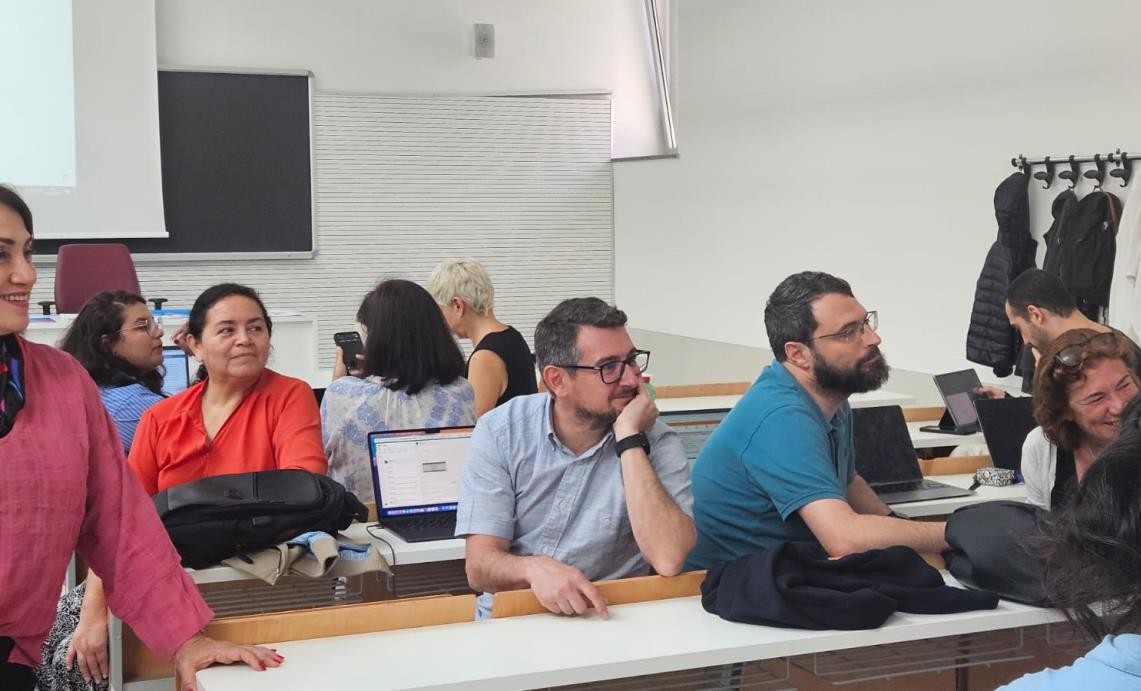
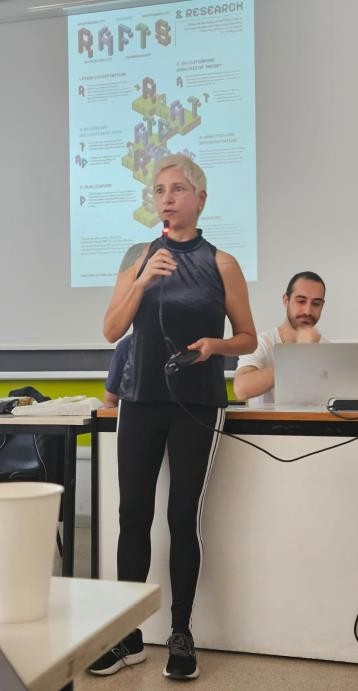
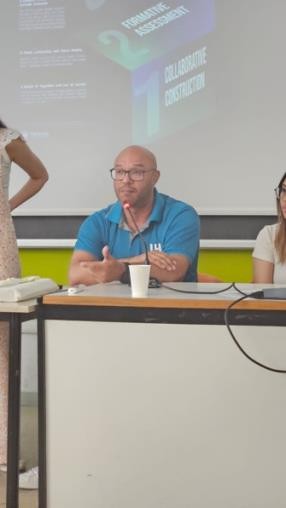
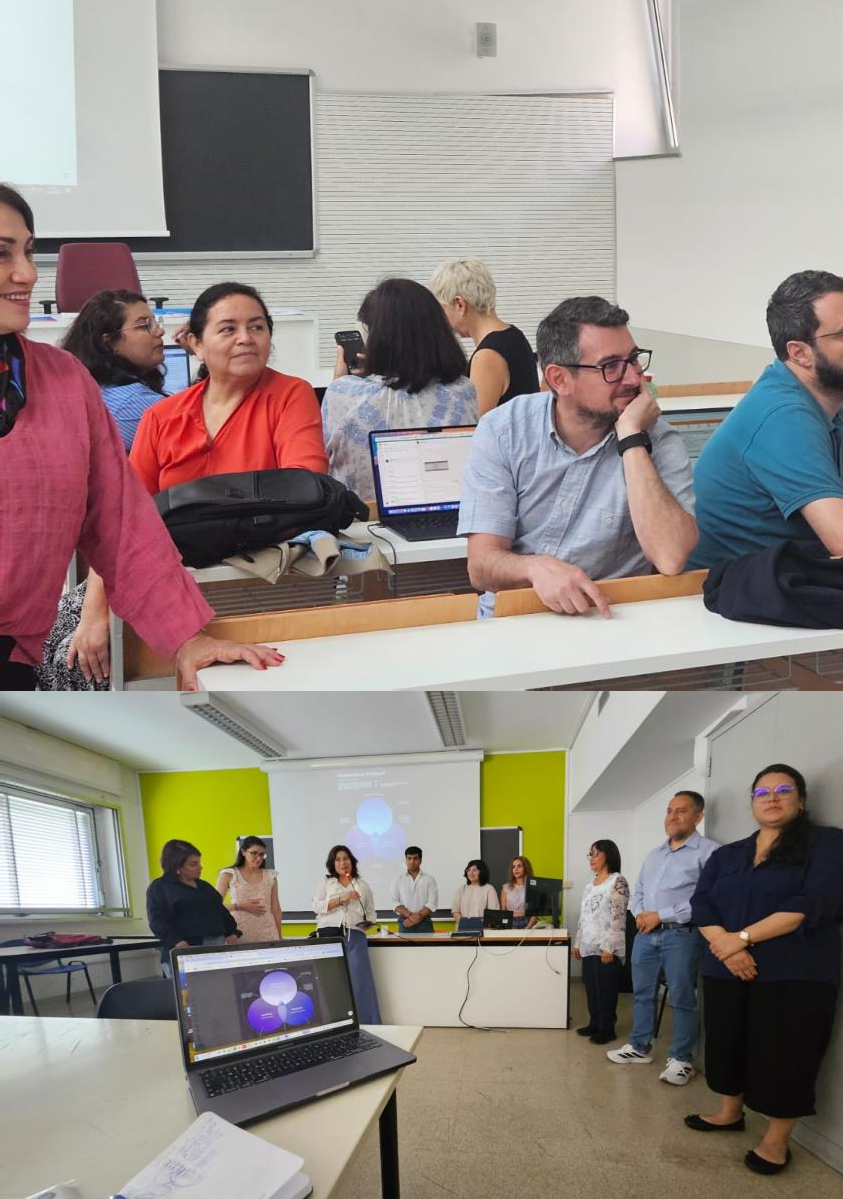
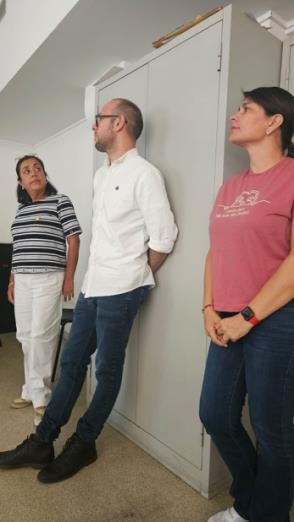
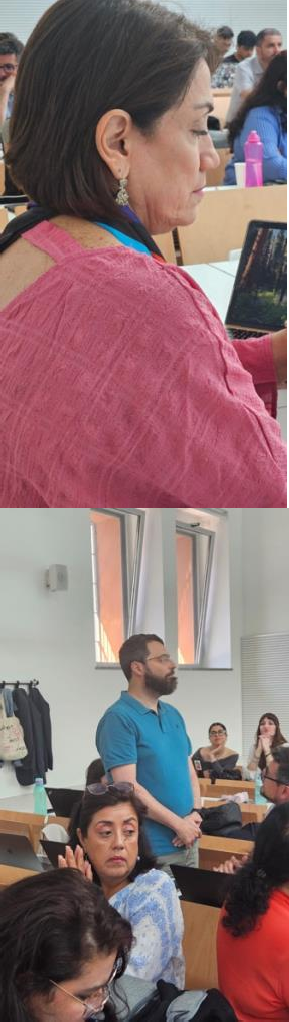
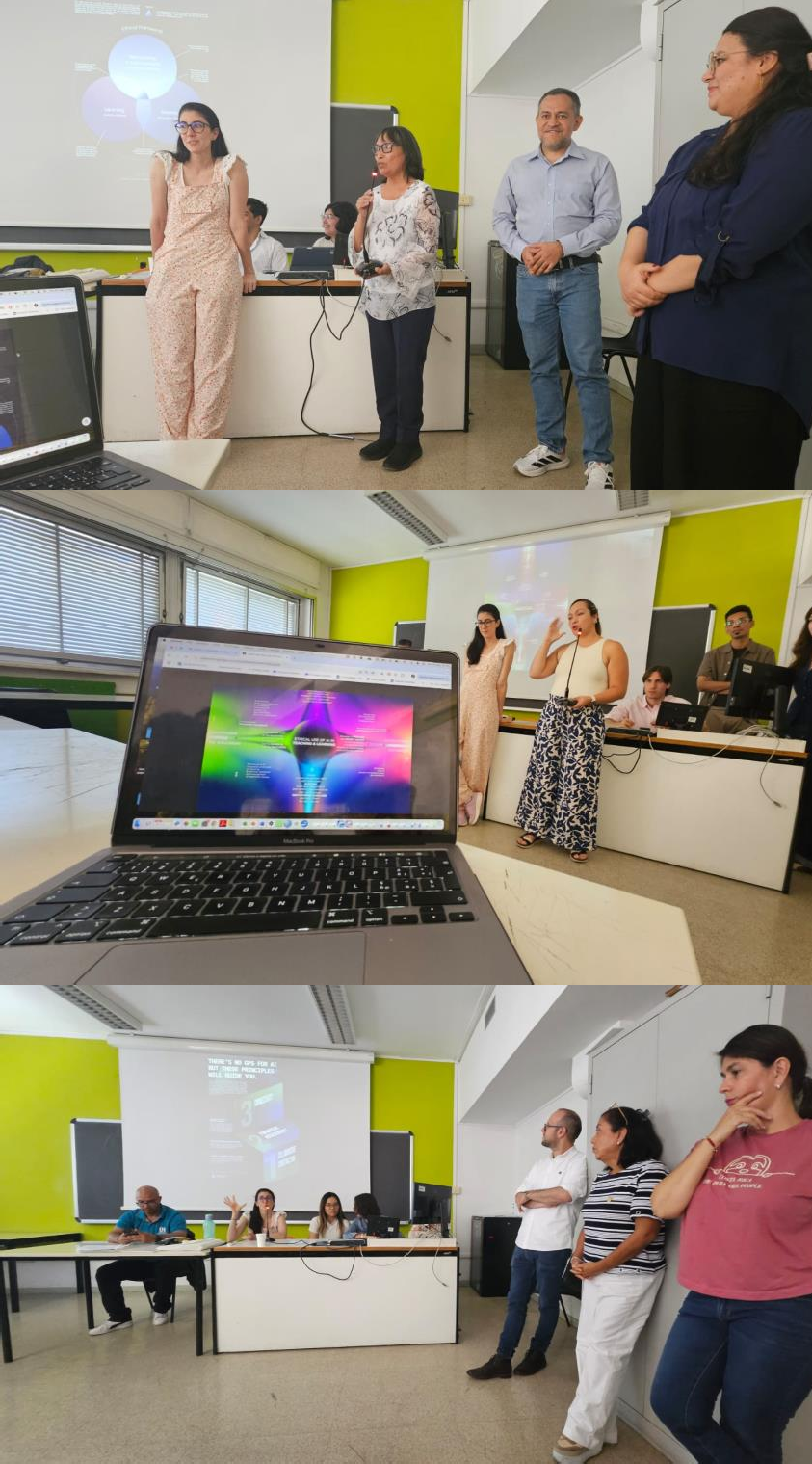
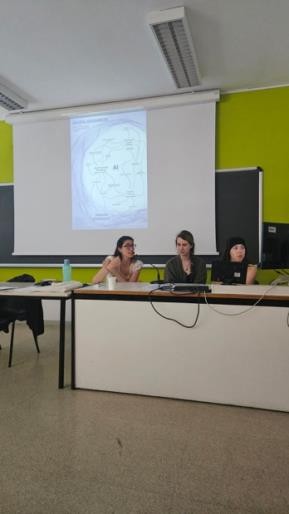
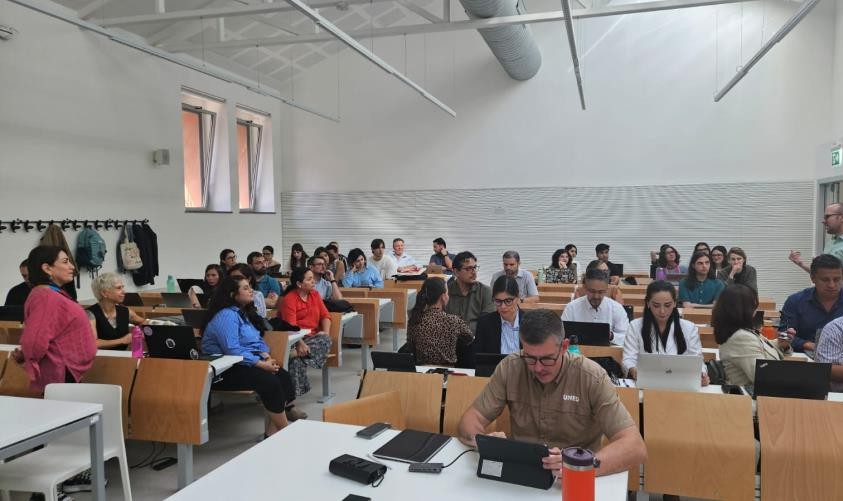
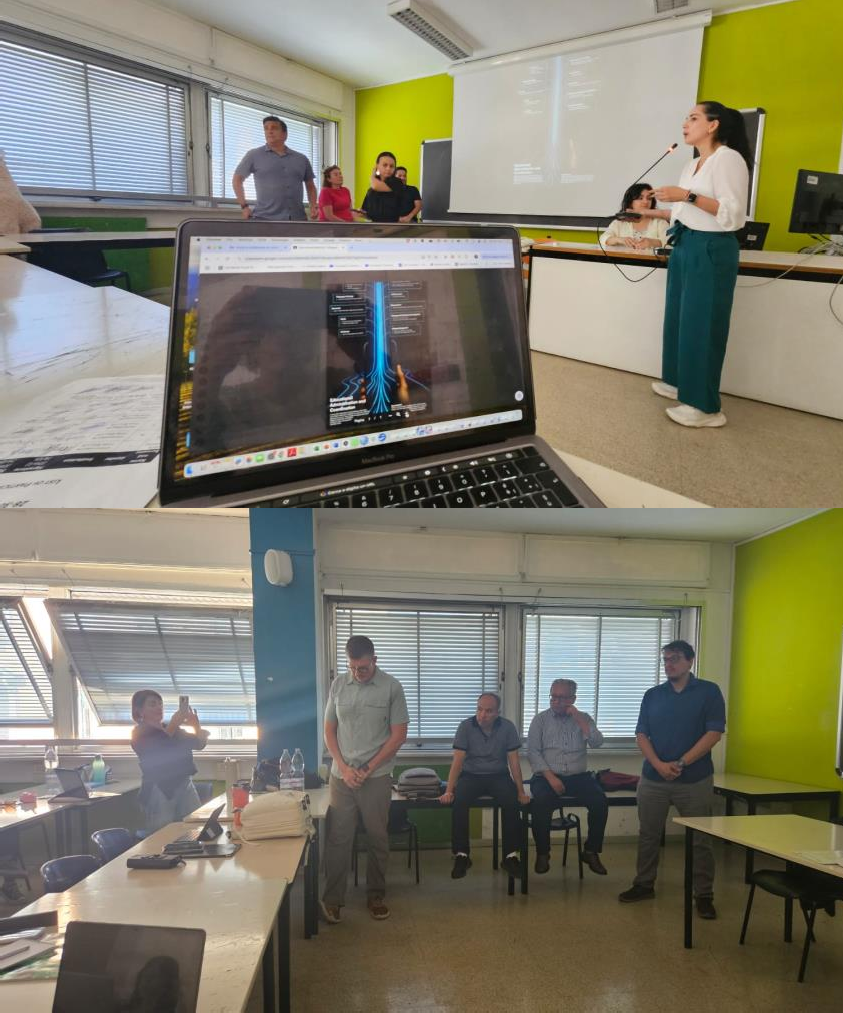
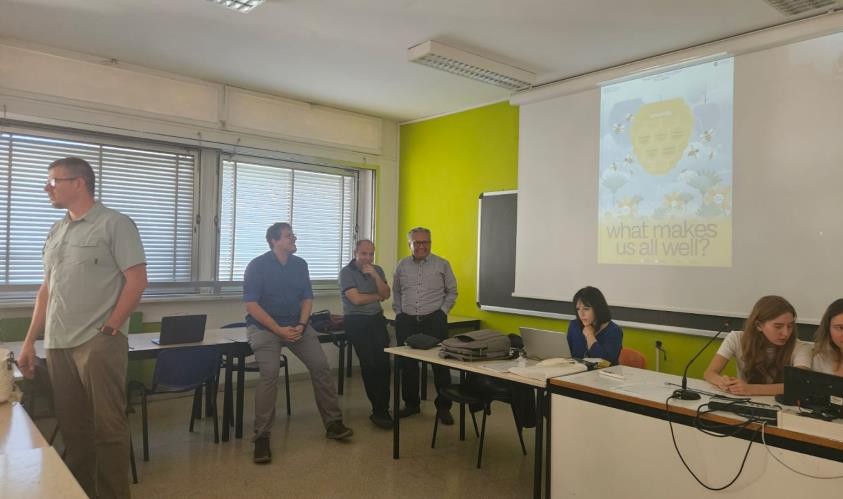
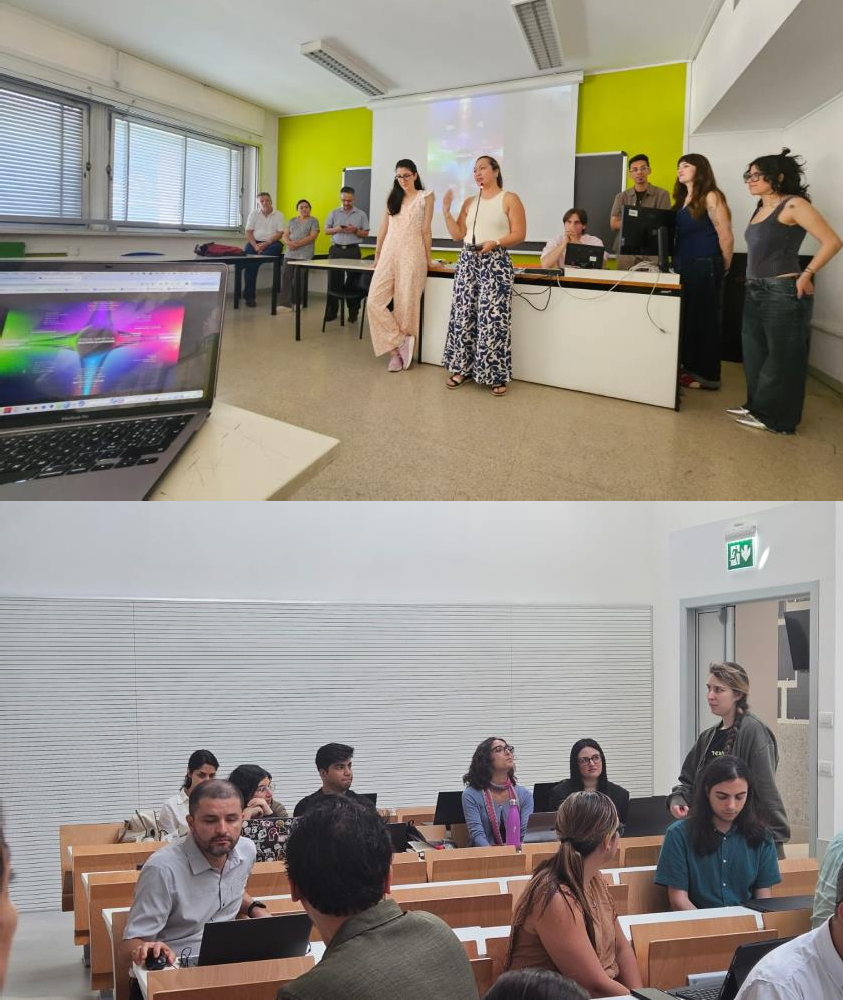
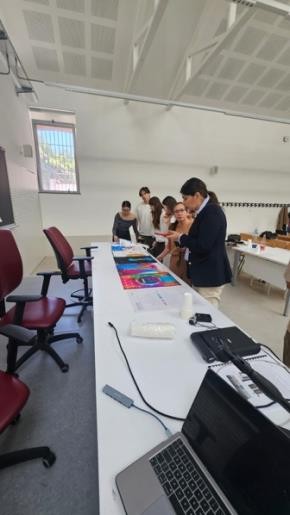
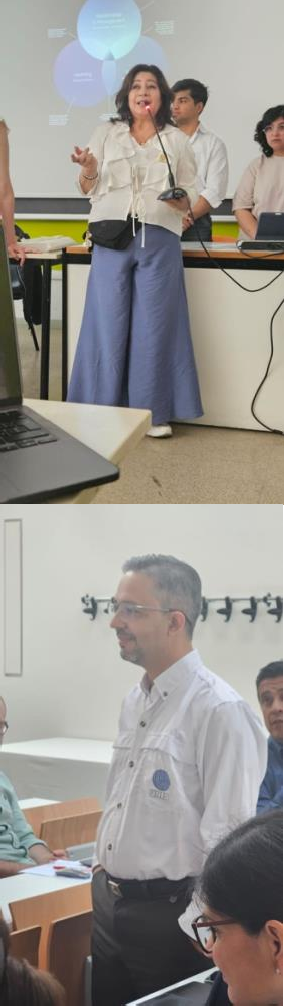
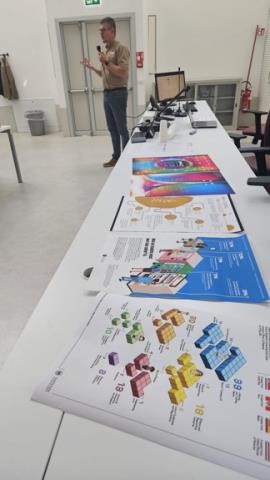
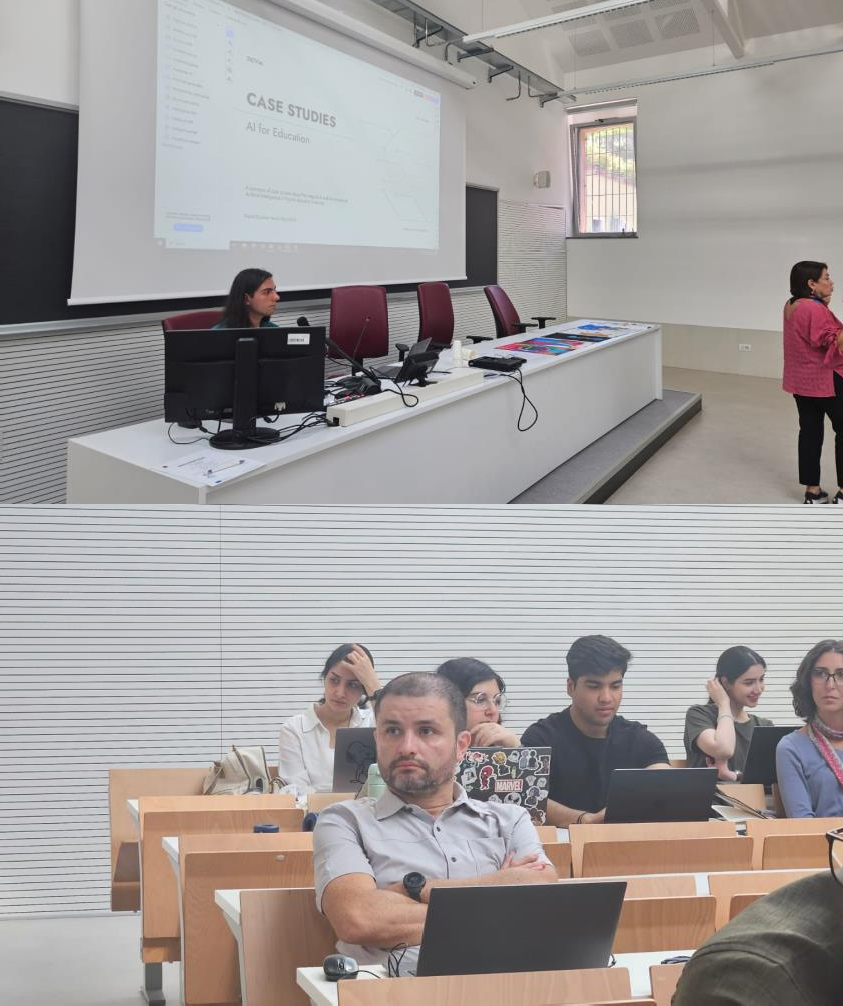
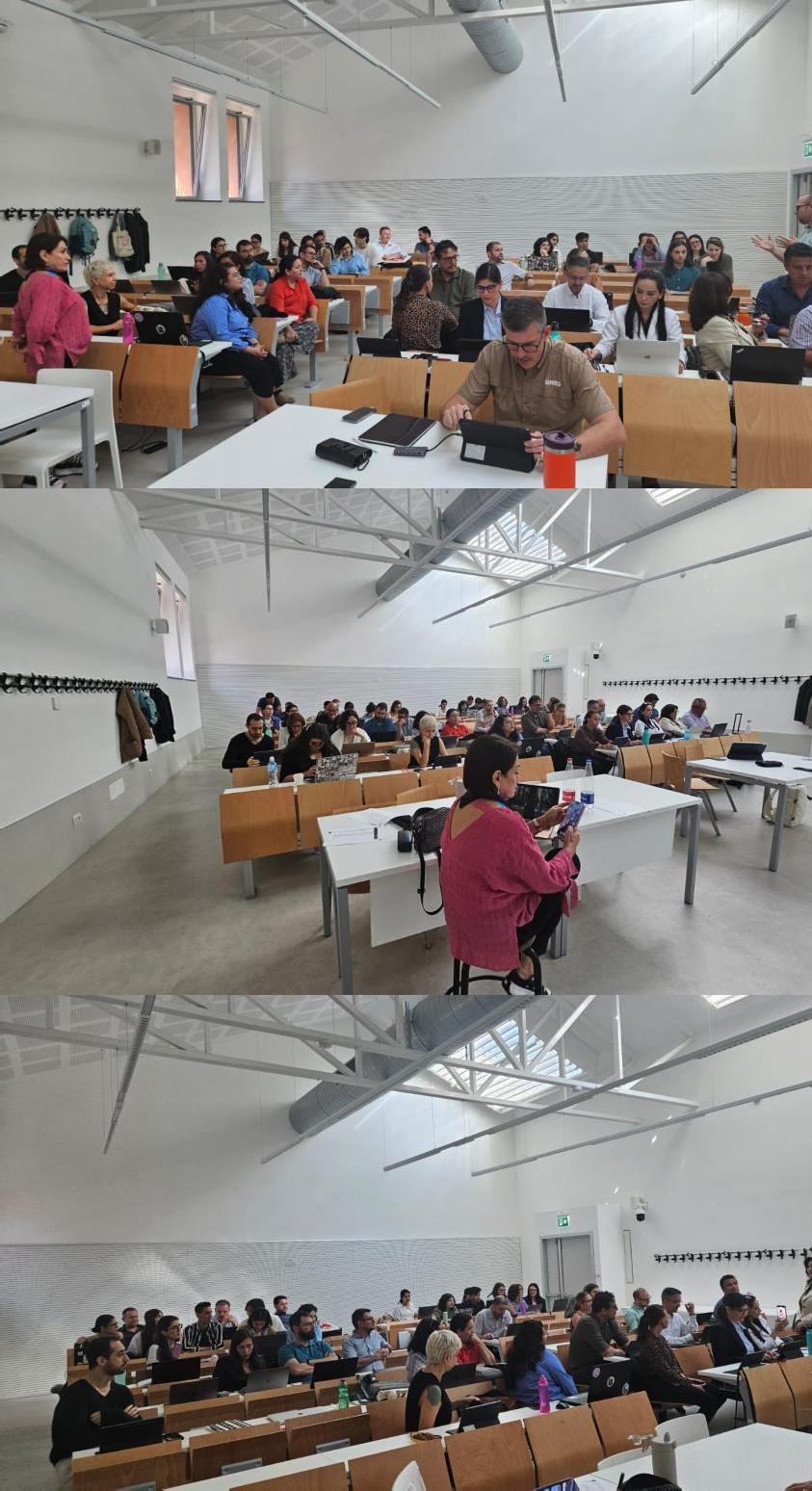
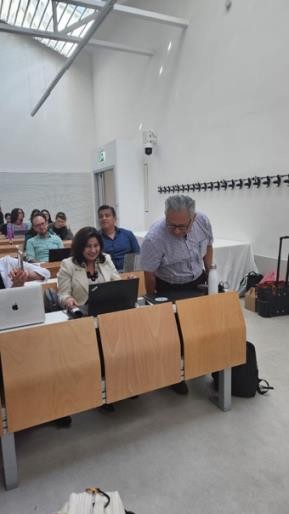
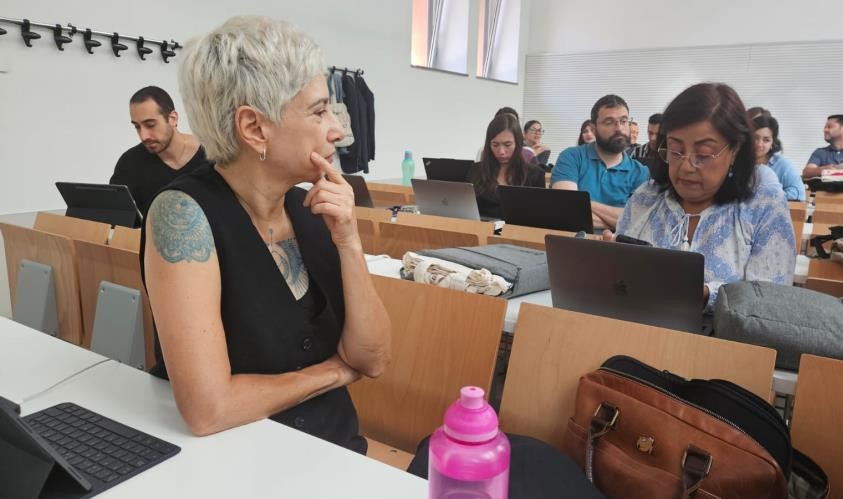
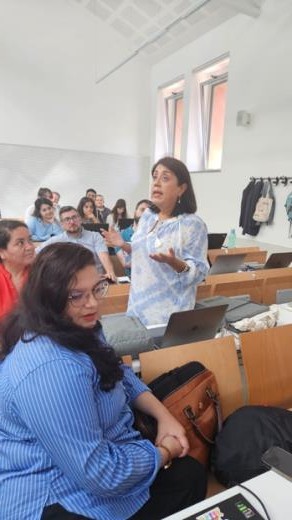
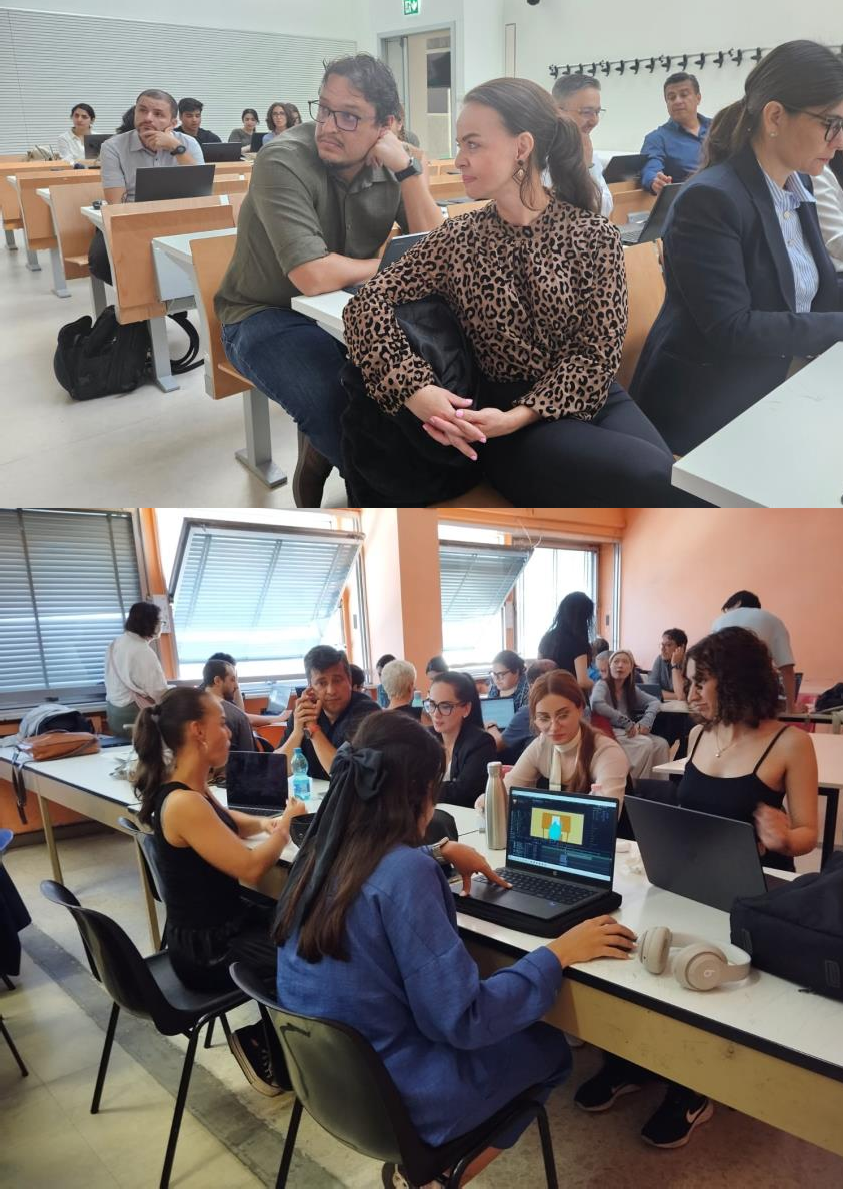
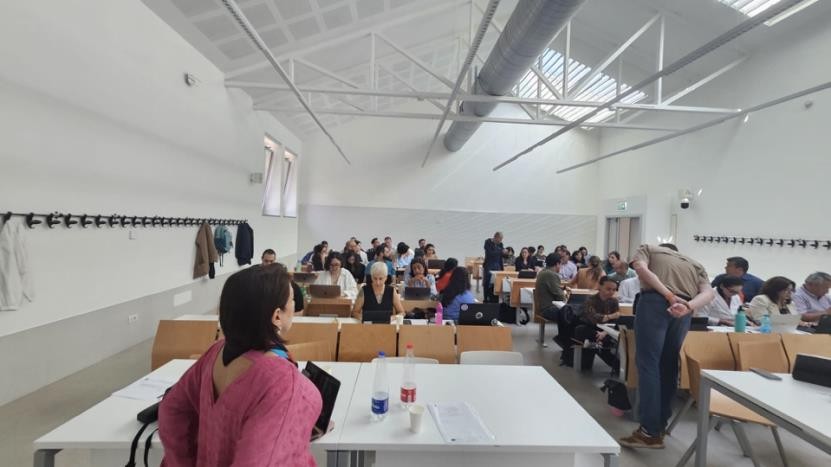
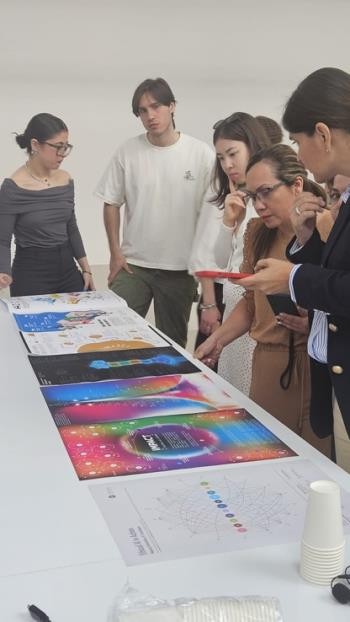
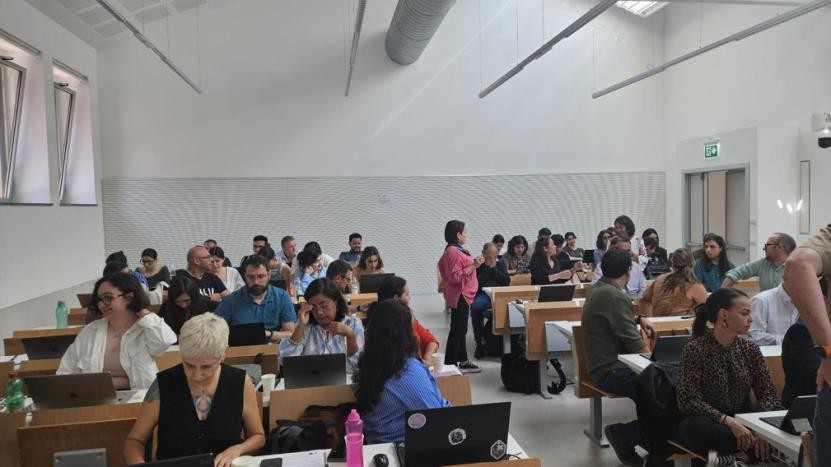
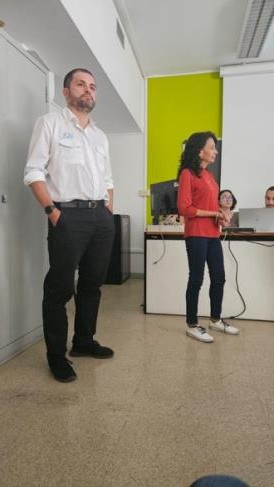
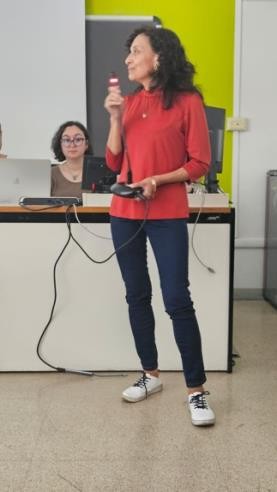
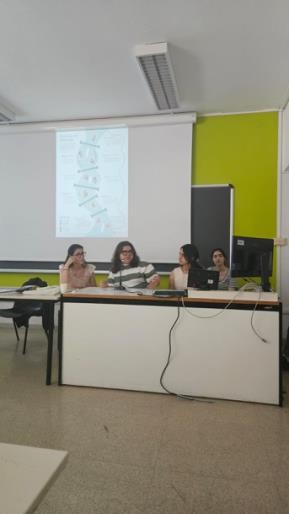
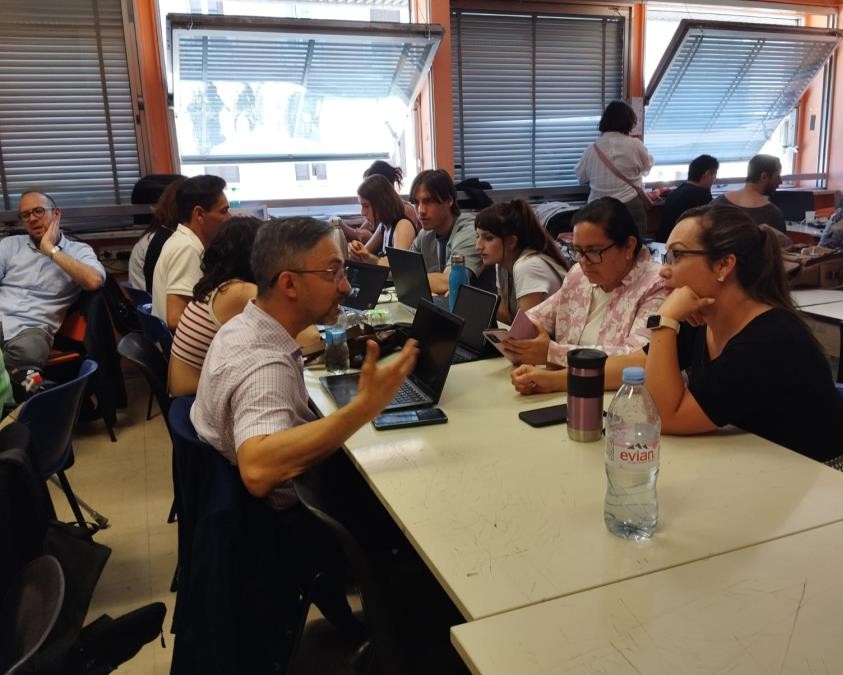
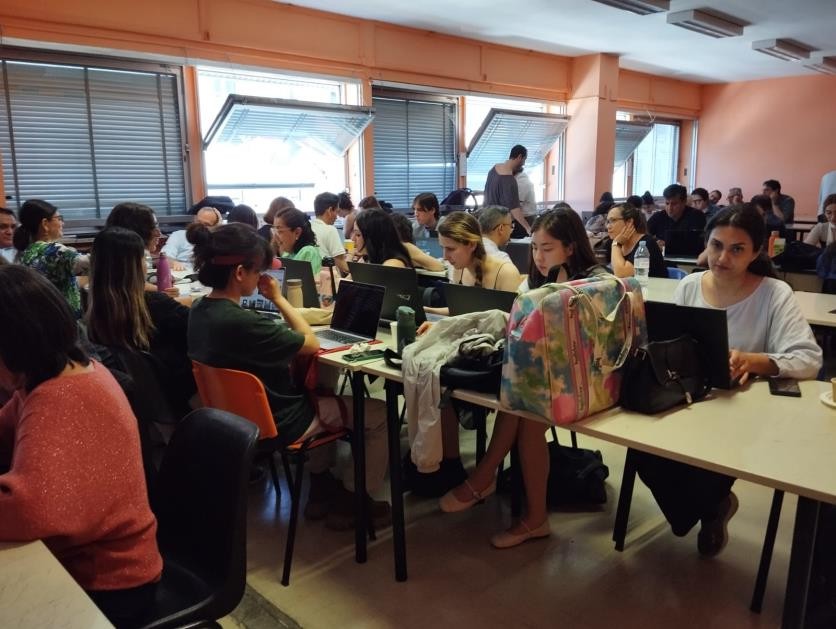
The first workshop of the Capacity Building Project, titled “Ethical AI”, is placed in Rome from 28 of May to 30 May 2025 in the classroom of the Faculty of Architecture and Department in Planning, Design, Technology of Architecture of Sapienza university of Rome. The objectives of the workshop were to develop knowledge about main regulatory framework and ethical use of AI in education and about many experiences of application of AI in Higher education. Throught the workshop skills of critical analysis of case studies and skills of creation and writing recommendation in using AI in higher education were implemented in attenders and different competences were enhanced such as:
  • Competences to synthesize much information in main principles of application of AI in Higher Education
  • Competences to collaborate in team group
  • Problem solving competences
  • Competences to communicate the main results in public space to share the main concepts of the team works.

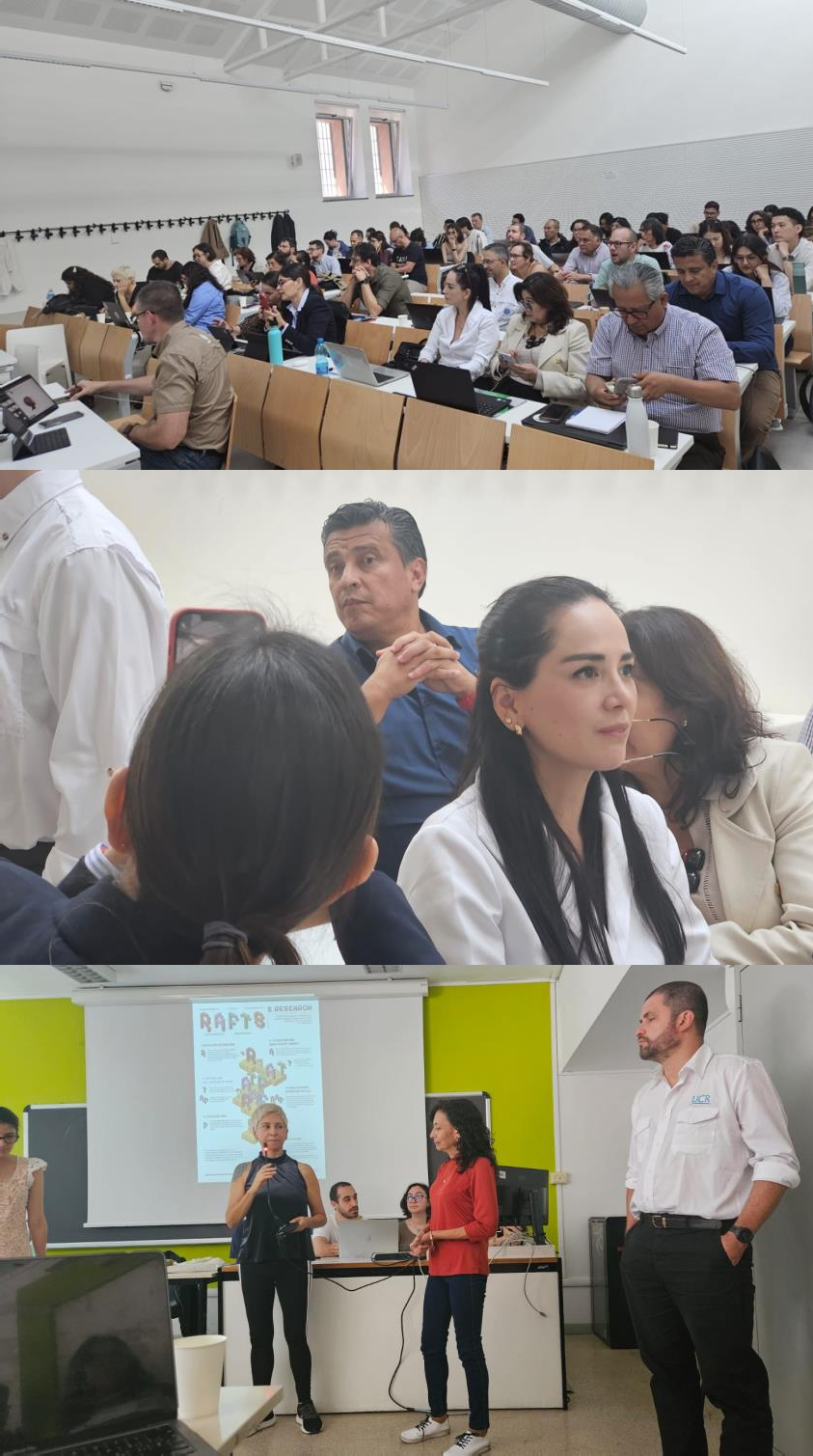
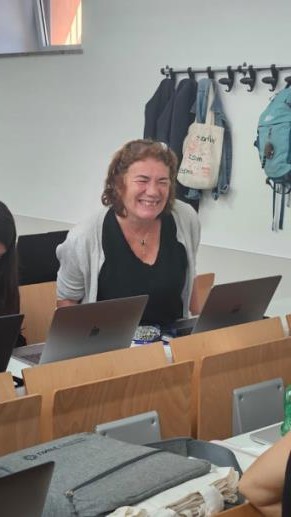
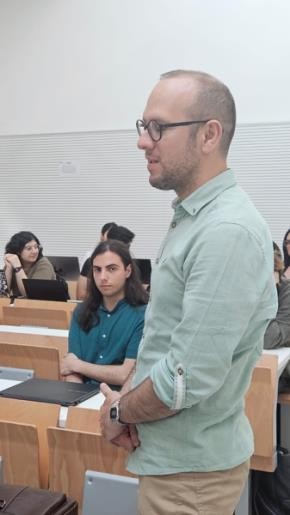
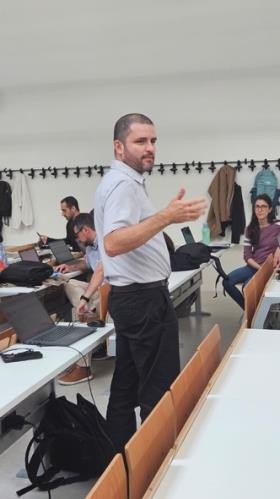
Photogallery

Table of Content

TRANSNATIONAL TRAINING IN SAN JOSE’ (CR)
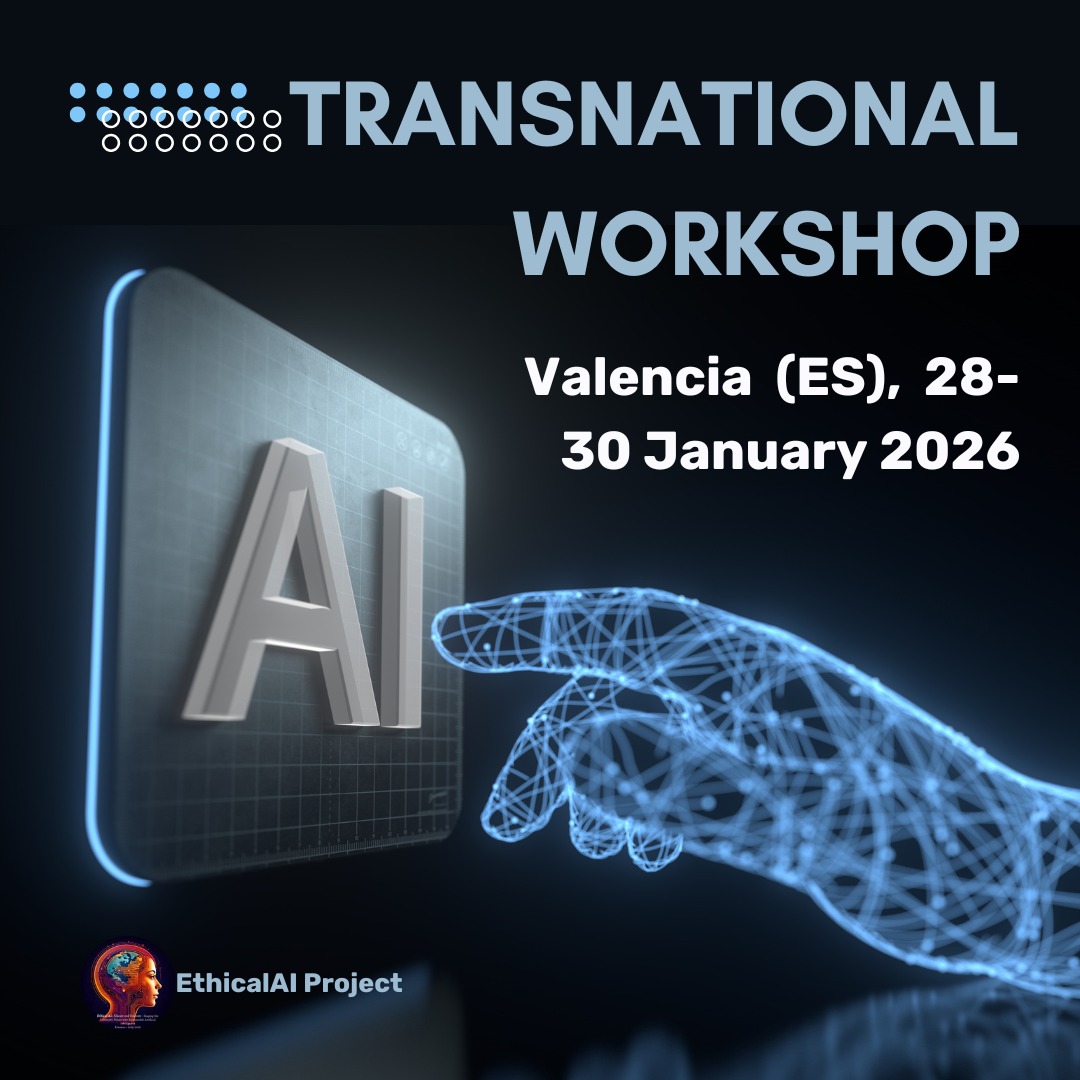
UNIVERSITY OF COSTA RICA (CR), 28-30 JANUARY 2026

... Read more
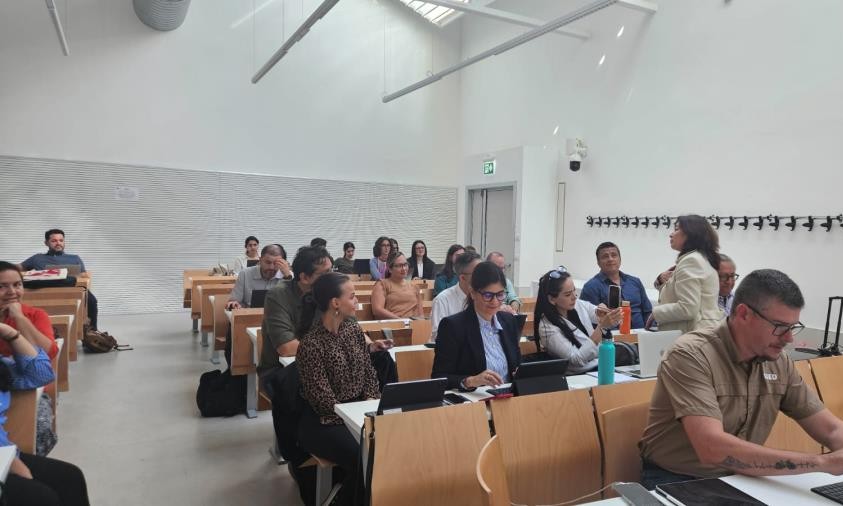
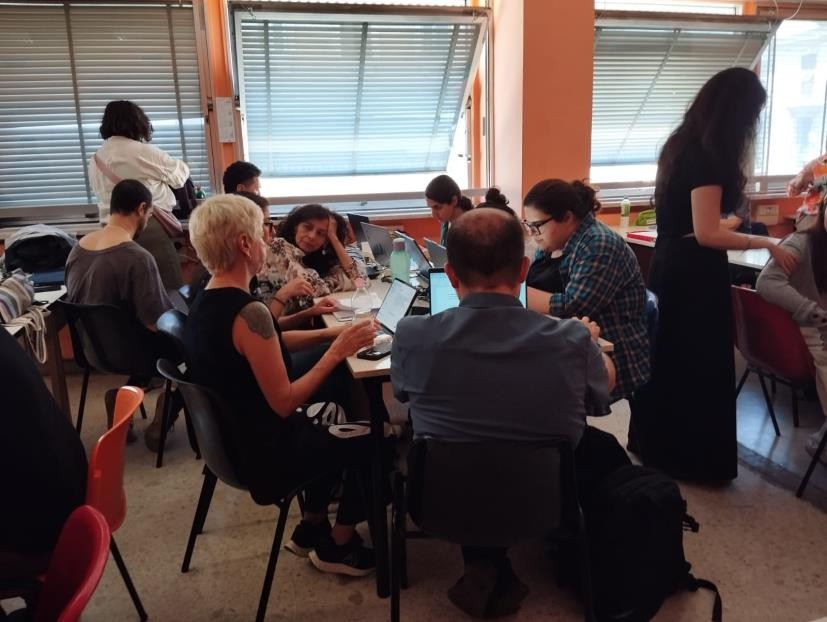
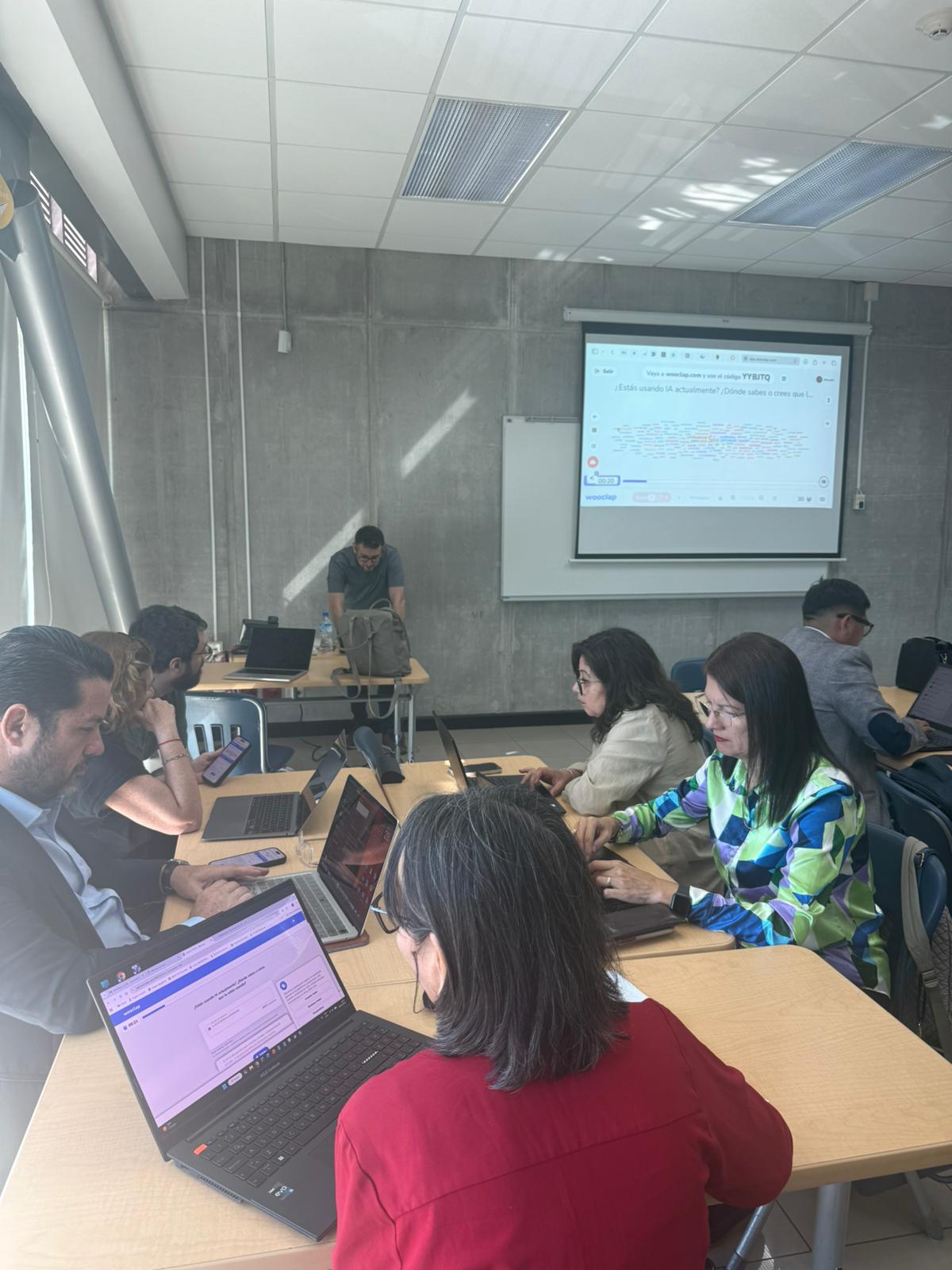
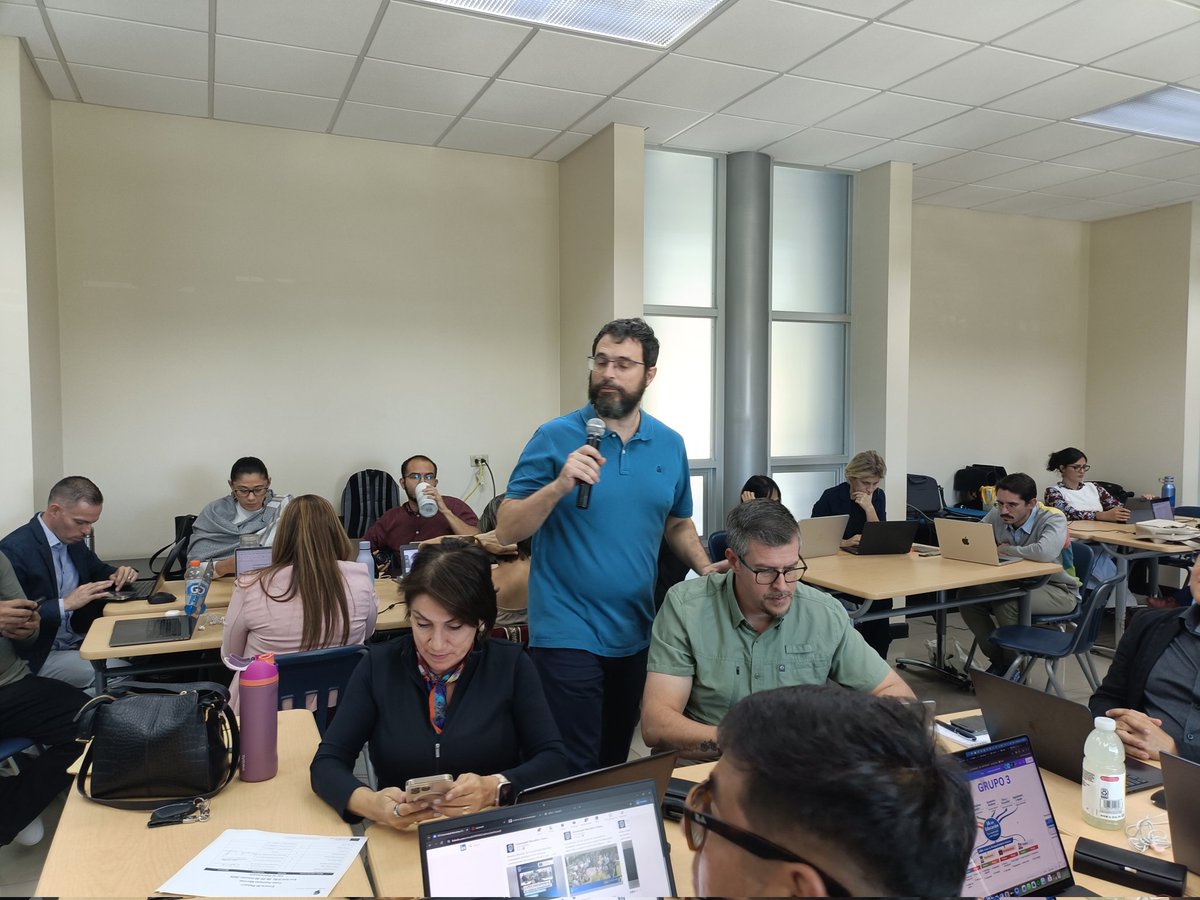
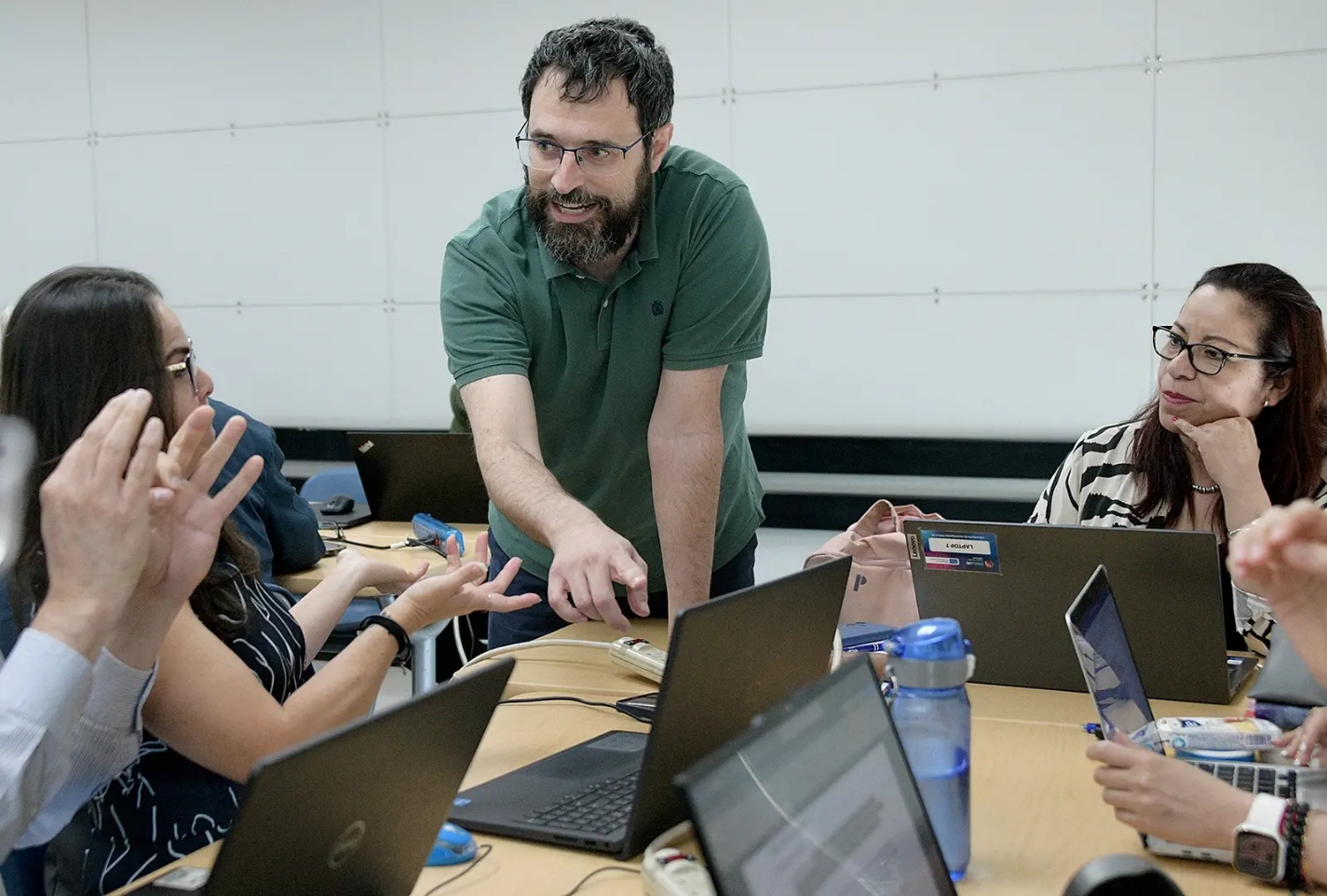
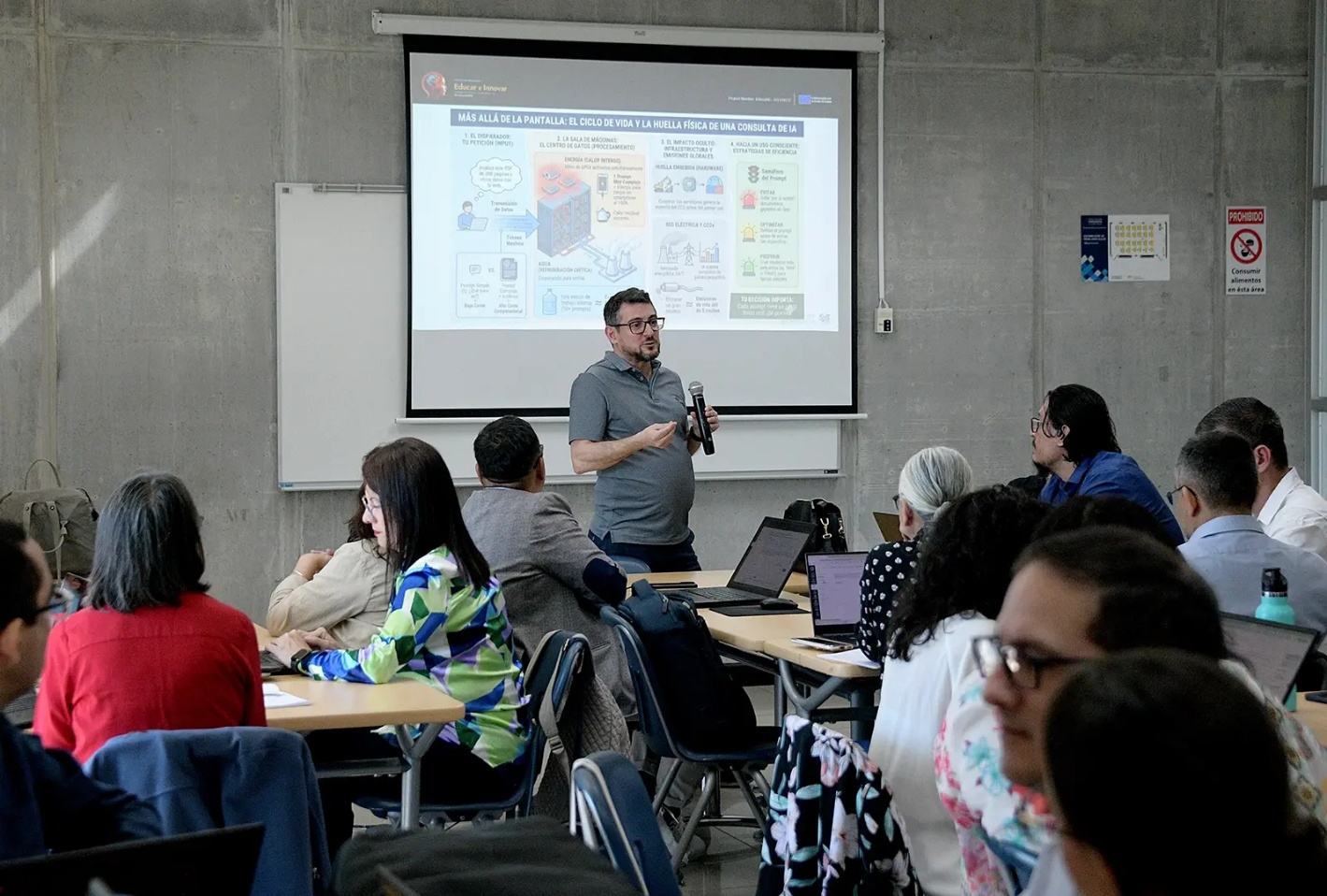
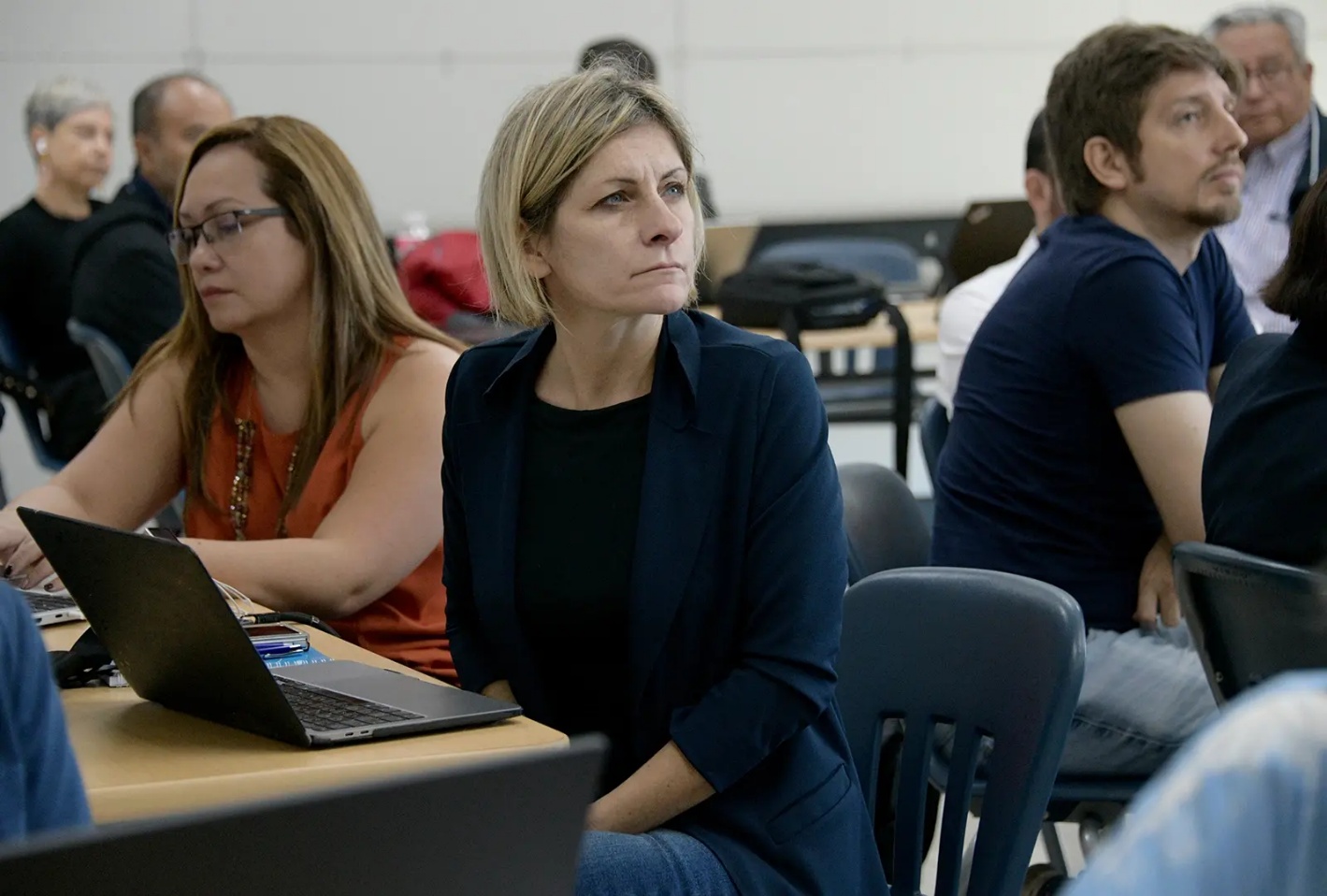
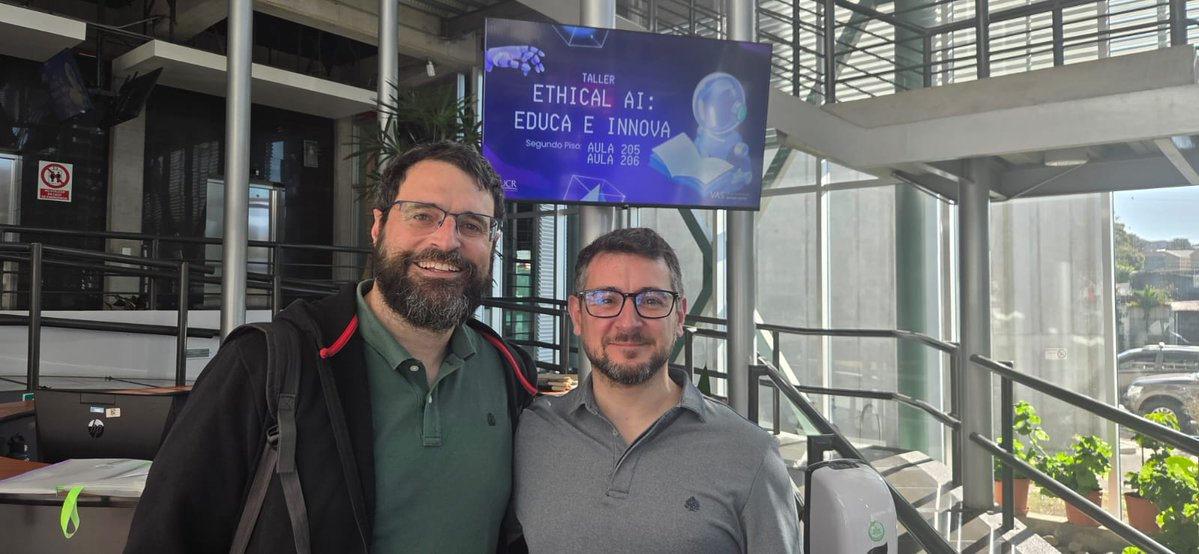
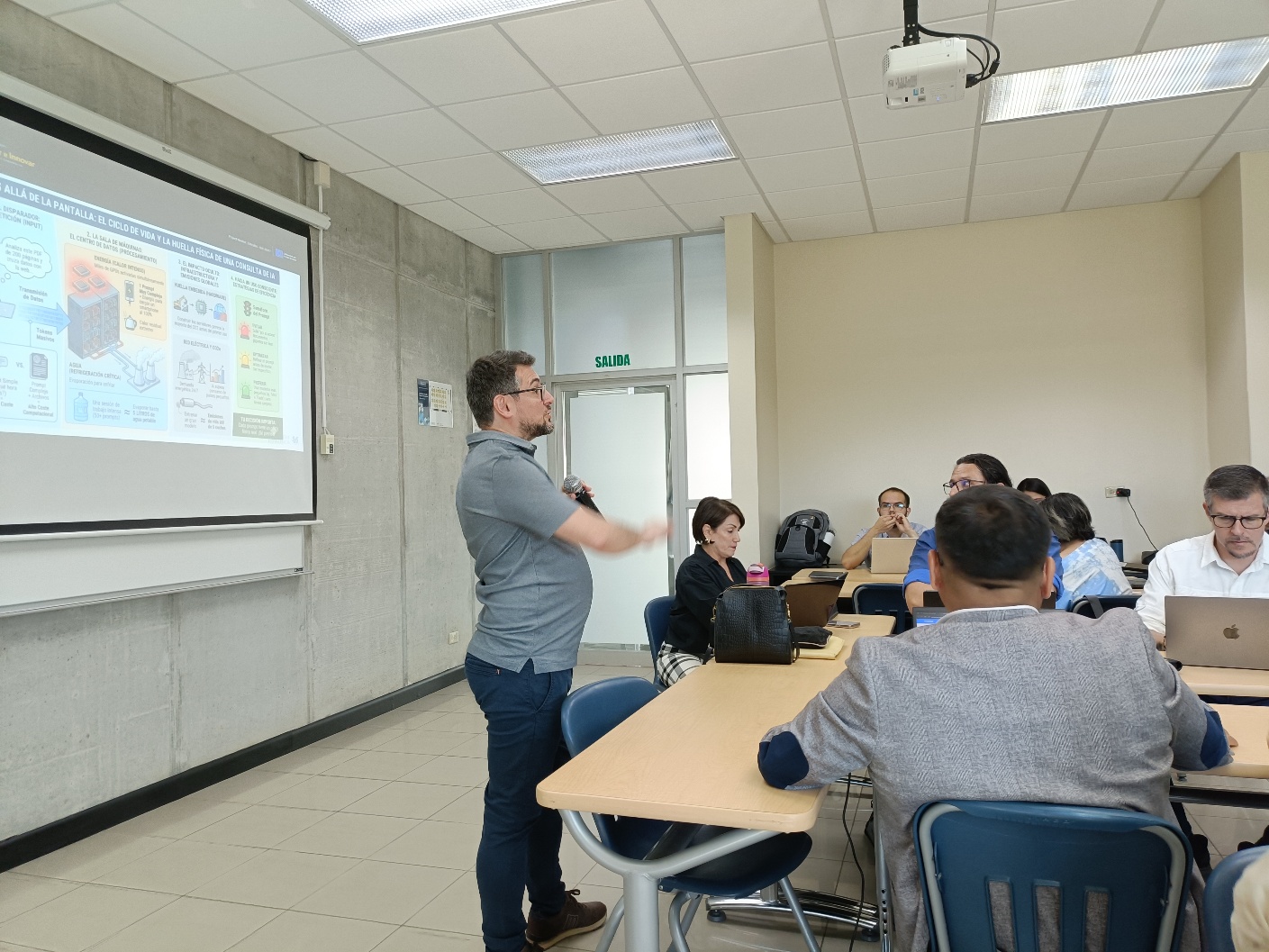
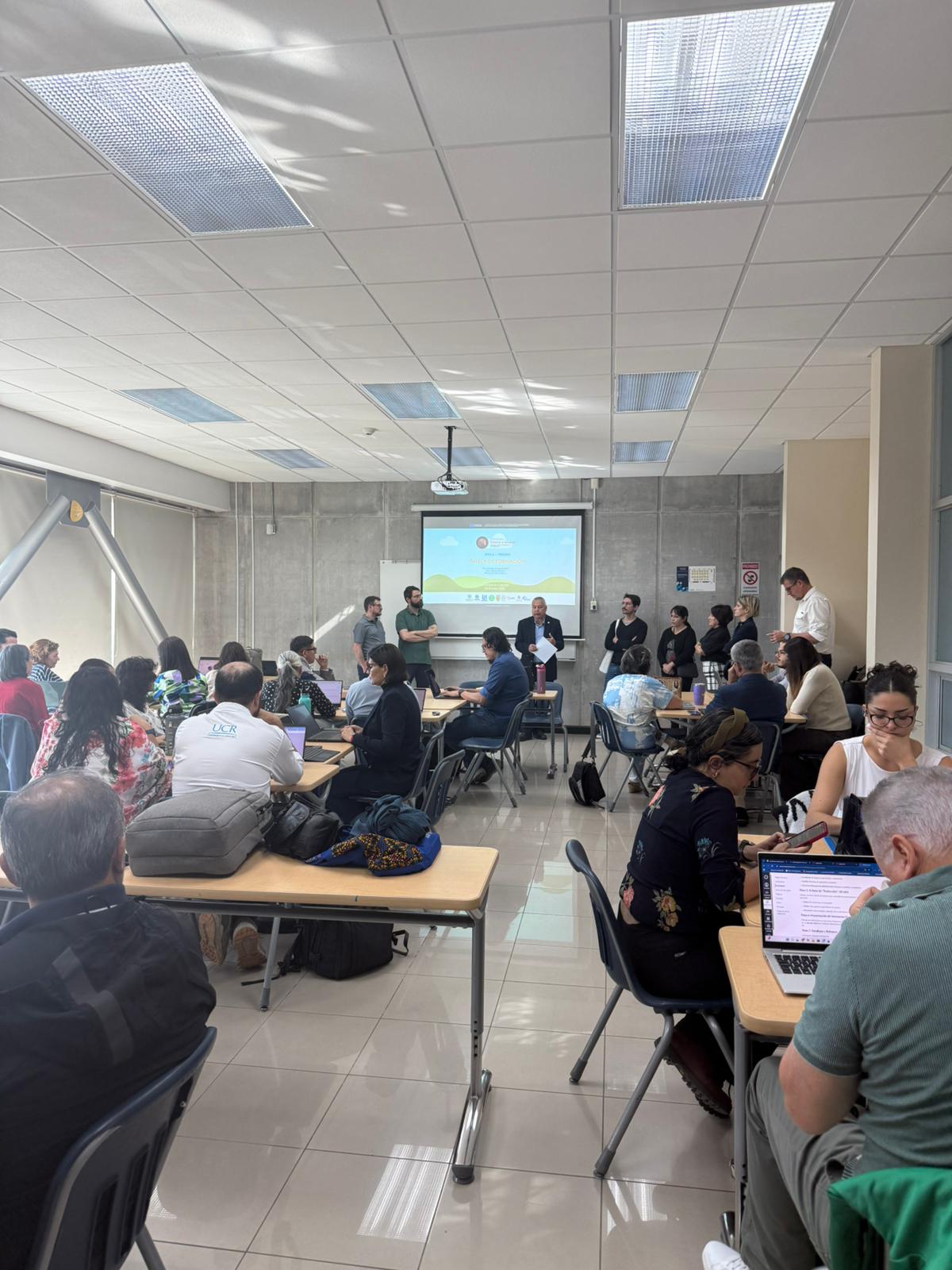
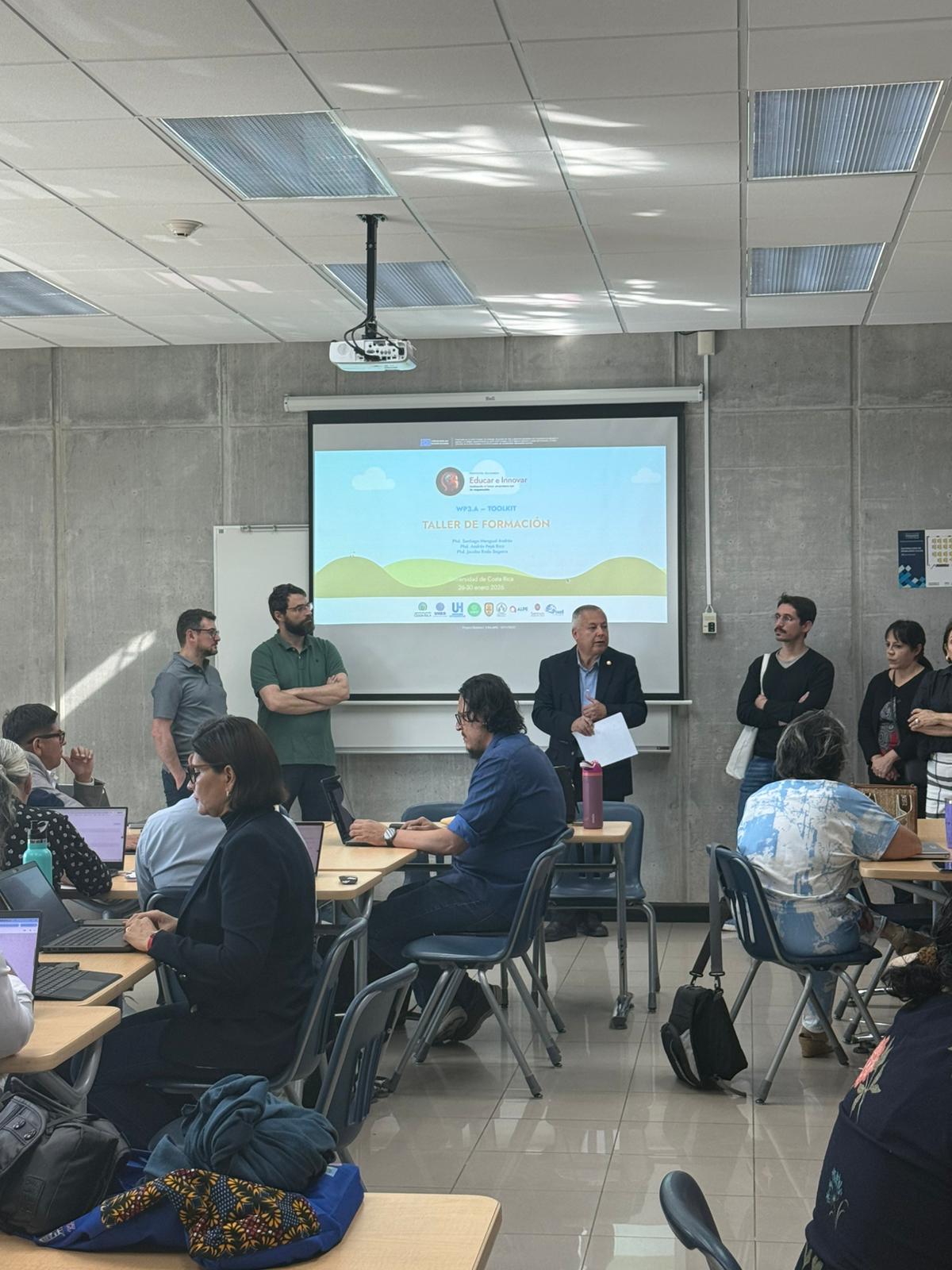
The second EthicalAi transnational in-person training was delivered at the University of Costa Rica by the University of Valencia (Spain) and Sapienza University of Italy The training focused on the content developed in the project's online Toolkit. In this workshop, professors, researchers, and university administrators from participating higher education institutions in Costa Rica and Peru were able to test and understand the training, enabling them to subsequently adapt and replicate it at their home universities.
The work was divided as follows:
Day 1 Introduction to Toolkit: Presentation and Contextualization: Introduction to the ethics guides and recommendations created for the use of AI in education. Explanation of the purpose of testing and validating the guides. Practical Workshops and peer to peer participation in activities and practical exercises based on the guides, applying ethical principles in different simulated educational scenarios. Group Discussions and Reflections: Group analysis and debates on the effectiveness and applicability of the guides in real situations.
Day 2 Evaluation and Adjustments: Feedback Sessions: Collection of comments, opinions, and experiences from participants about the usability and relevance of the guides. Collective discussion to identify areas for improvement and possible adjustments to the guides.
Day 3 Practical Simulation: Practical exercise applying the guides in real classroom situations and educational environments. Survey and final analysis to assess the validity and effectiveness of the guides.
Conclusions and Presentation: Recap and Conclusions: Summary of findings, strengths, and areas for improvement found in the validation of the guides. Results Presentation: Presentation of results and conclusions to participants and potential stakeholders.

Photogallery

Table of Content